PORTFOLIO WEBSITE - XAVIER ZEKE ARAMBULA

Orthopedics Market (Trends, Opinions)
Spine
In this section, I want to do a deep dive into the state of the orthopedics market and its subsections; in essence, I want to highlight companies I feel will be key to watch moving forward, due to their innovations in each of these areas with their products, as well as touch on further possible improvements. Mergers and acquisitions have obviously played a role recently, and I feel that will not change moving forward. However, these companies have something unique about them, which I feel is worth touching on. My thoughts are my own and are not representative of any company I have or will work for.
In my humble opinion, personalized, urgent 3D-printed care (powered using analytics and possibly extensive AI) and implants for patients who need urgent care are the future. After realizing this, I decided to fabricate several implants using a similar process, as shown in the projects section, and to display not only my aptitude but also my passion for working in a similar role in the future. I want to help others as much as possible, and as an engineer, this gives me the best opportunity to do so throughout my career.
In the Spine Market, Carlsmed has influenced me the most. In the Trauma and Extremities market, Restor3d has influenced me the most. However, I understand the importance of pedicle screws and IM nails in these procedures as well. Without instrumentation, implants are not achieveable.
As far as my research and development philosophy and approach, HighRidge Medical has had the most significant influence on me. I found the BoneZone article I read in February to be very influential in promoting R&D as a driver for a company's success.
https://bonezonepub.com/2025/02/25/understand-how-to-maximize-rd-efforts/
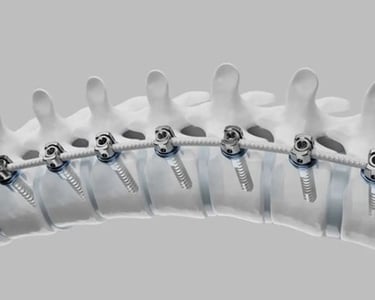
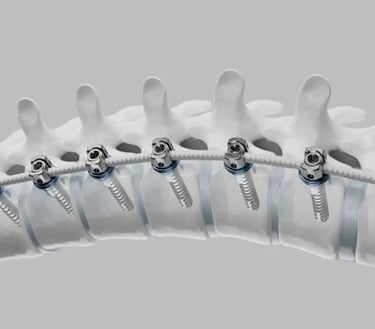
Zaviation Medical (3d-printed w/ patented technology for biocompatibility),
Spinal Elements (capitalize on emerging segments in spine, such as minimally invasive spine surgery; e.g, ventana allows for most bone graft volume to the desired site and is fabricated using 3D-printed titanium),
Arthrex Spine (endoscopy to reduce post-op complications as compared to fusion)
Elevation Spine (streamlined fusion)
Globus Medical, Medtronic (procedurally integrated)
Choice Spine (titanium 3D prints)
SpectrumSpine (bioactive implants)
CarboFix (carbon fiber implants)
Carlsmed (Aprevo, AI-driven)
Alphatec Spine (versatile fusion and fixation approaches -lateral transposas and corpectomy)
Signus Spine (also versatile with diverging bone screws)
HighRidge Medical (Scoliosis - Tethering Solution)
-approved for patients with a Cobb angle between 30 and 65 degrees. Patients should have failed bracing and be intolerant of brace wear.
Spacers: Gensys Spine and Astura Medical - Half Dome X
Shukla Medical: Extraction of Spine Hardware
Orthomod (AI optimized spinal implants)
Trauma and Extremities
Instrumentation
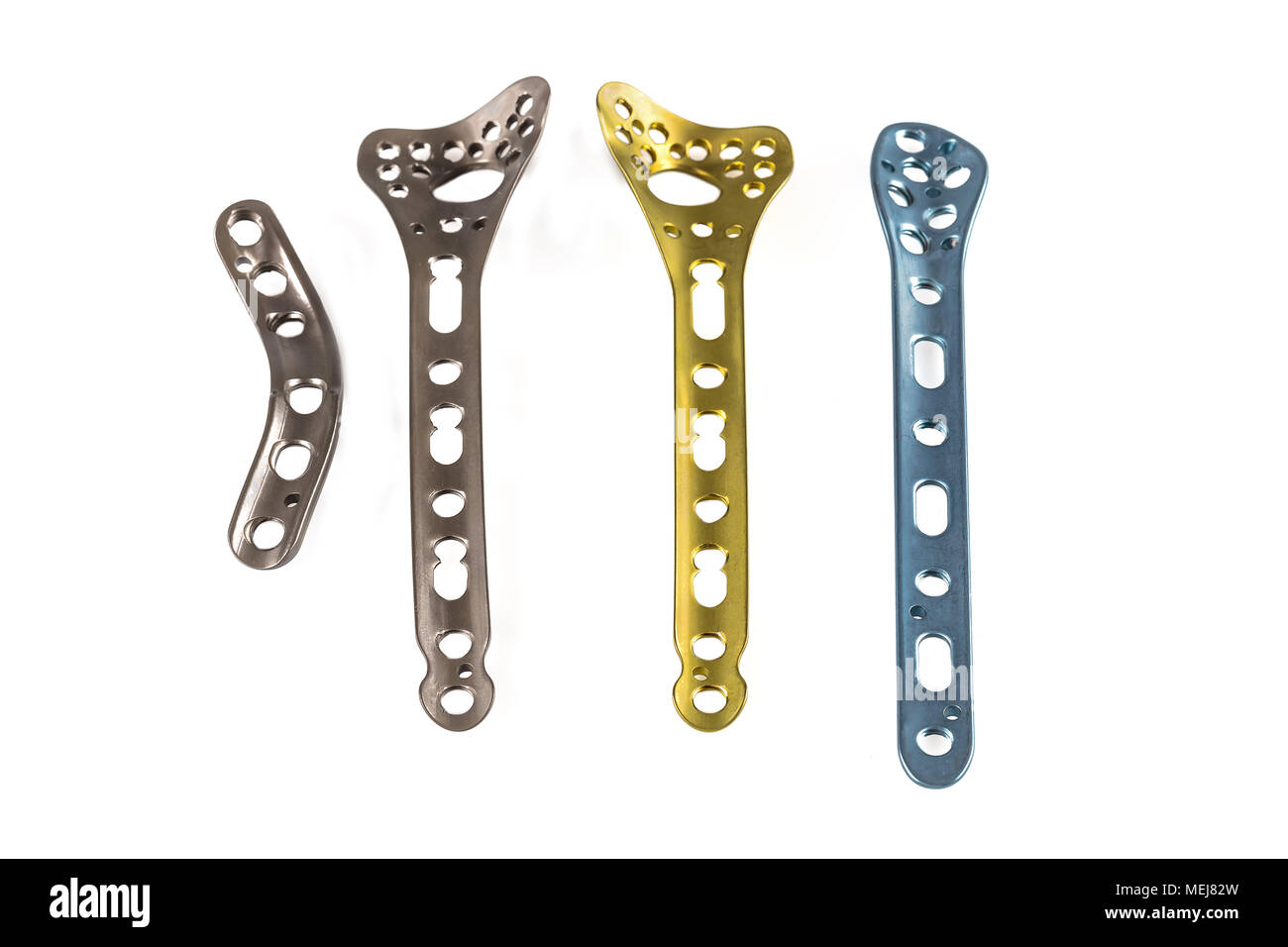
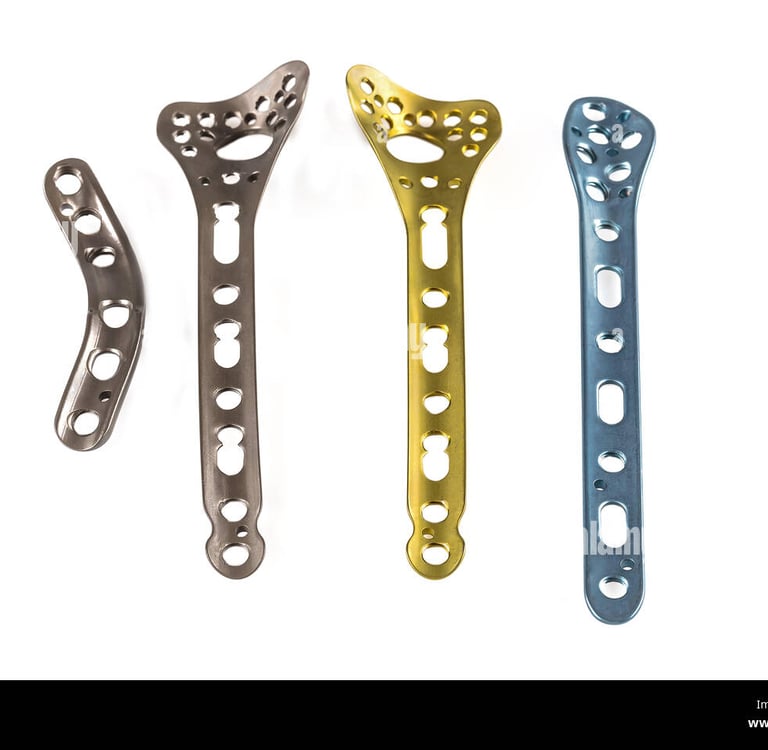
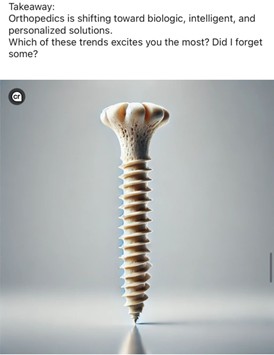
Restor3D (patient-specific extremity implants)
Leap Surgical (AI, vertically integrated)
Paragon 28 (Zimmer Biomet) - gorilla plating system
Treace Medical Concepts
POWEHI MEDICAL AG (optimized pedicle screw anchors)
Eminent Spine (Titanium Pedicle Screw)
Orthopedic Design Logistics
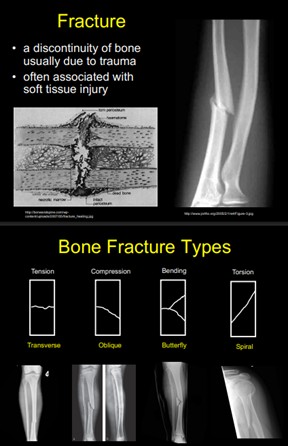
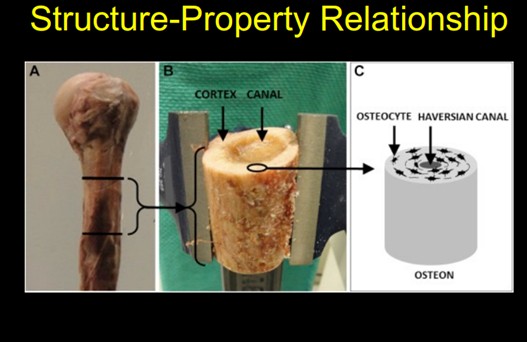
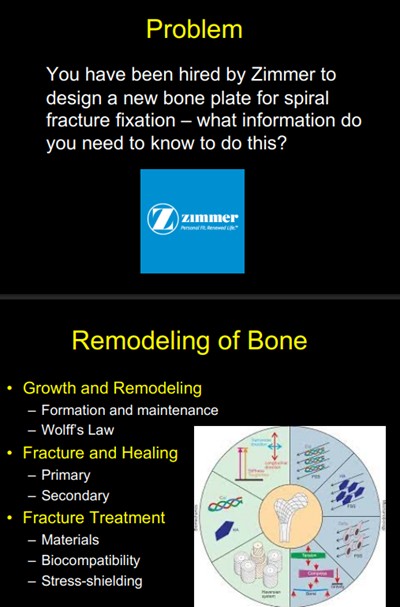
Furthermore, I found the information below helpful in mastering my skills since graduating. The slides are taken from my Biomechanics course (ME 580) at San Diego State University (all credit goes to Dr. Newman)
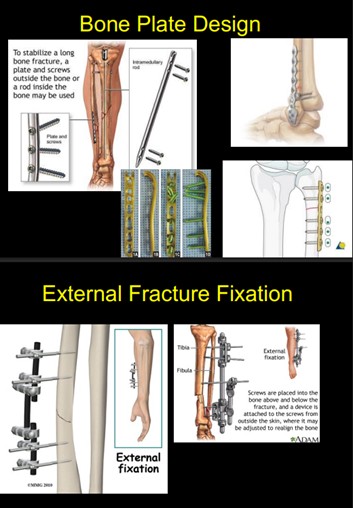
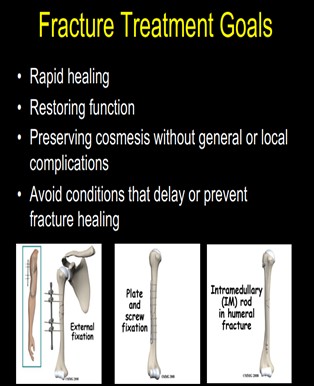
There are many different approaches to solving surgeries using external hardware. This is due to differences in patient-specific anatomy, pathology, and surgical techniques required to achieve the desired result for the patient post-operatively.
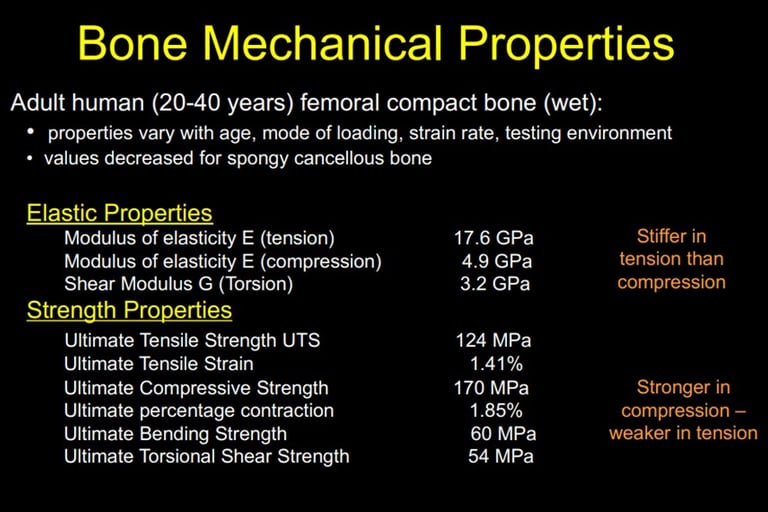
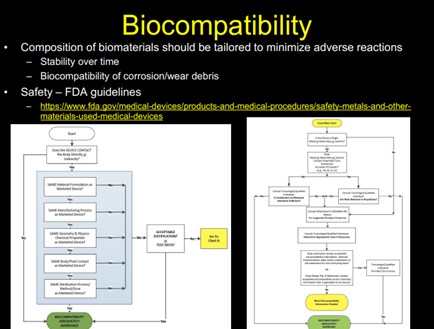
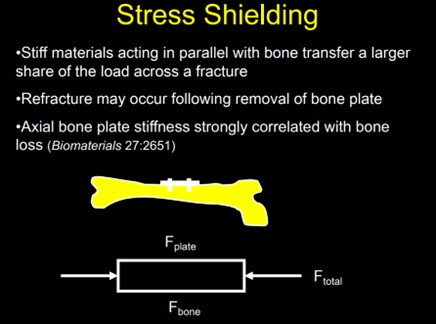
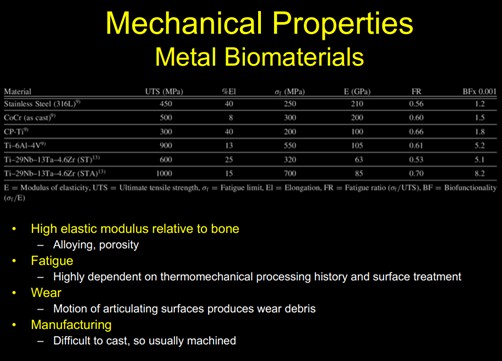
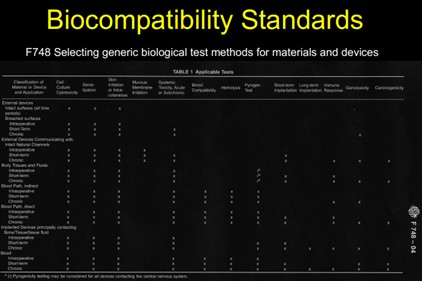
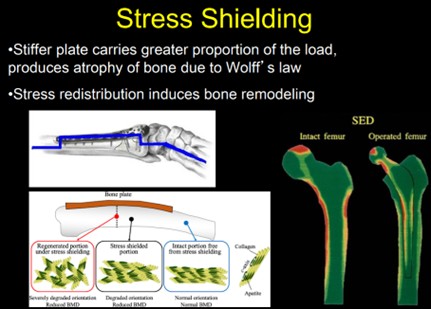
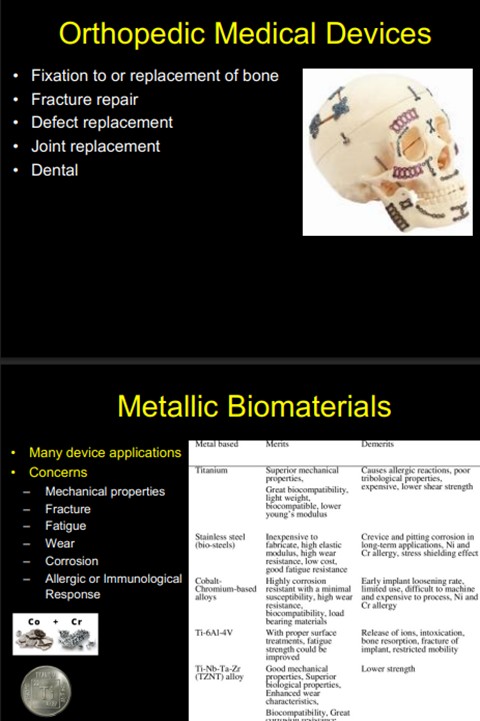
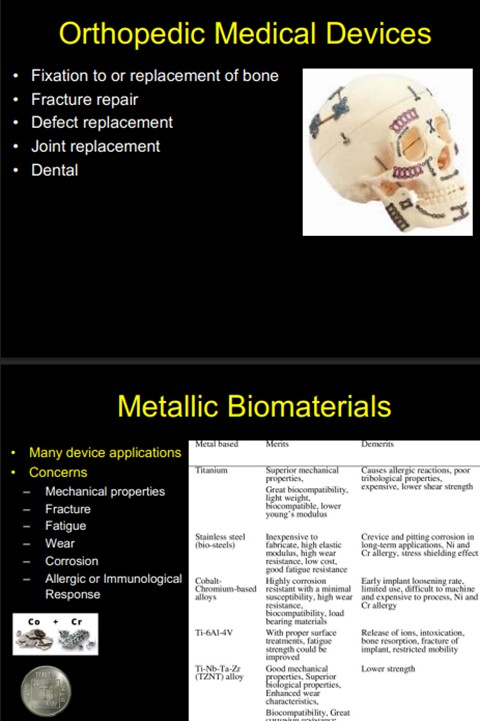
This can be illustrated by the design of bone plates and external fracture fixation logistics, as shown in the figures below. Therefore, when it came to my design approach to create successful orthopedic implants for past surgeries, I had to not only ensure I was logistically approaching the problem correctly but also place patient safety first via the orthopedic version of a factor of safety in my design; this involved taking into account stress shielding, biocompatibility standards, mechanical properties, and metallic biomaterials.
At the end of the day, PETG and PLA (plastic) filaments were used in my 3D-printed implants; yet, I wanted to ensure I covered all my bases should I complete this same procedure in a situation where my design would be used by a surgeon on a patient in a real operating room. This objective was achieved through V&V of my prints in SolidWorks FEA and Instron testing.
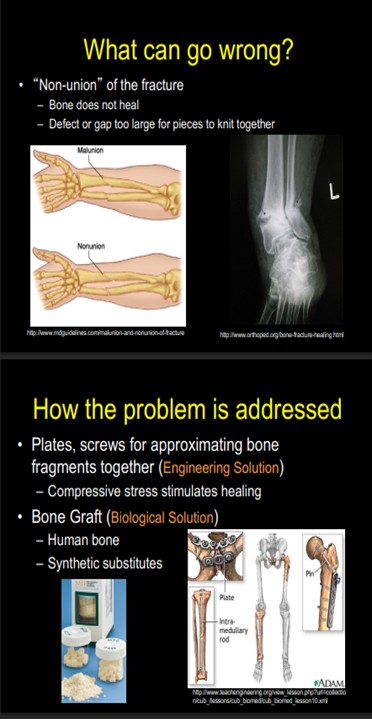
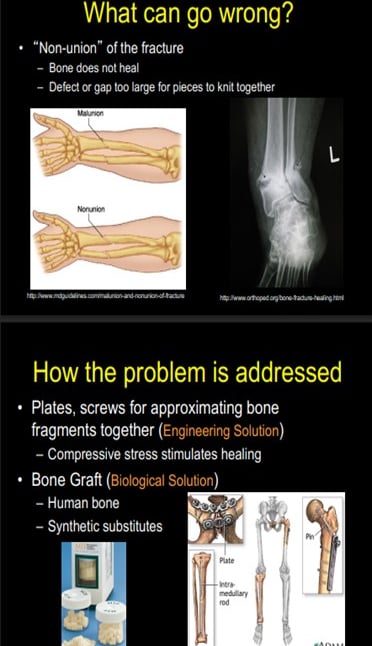
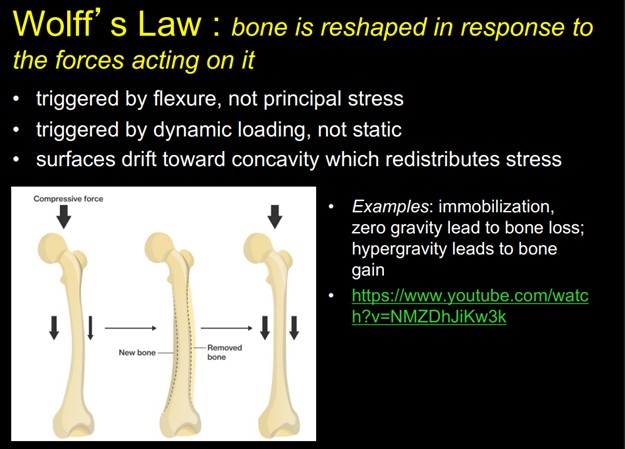
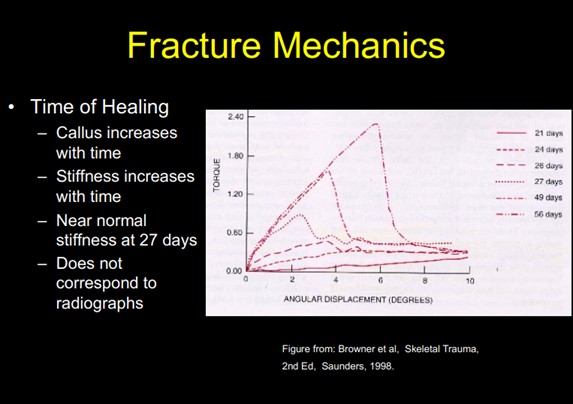
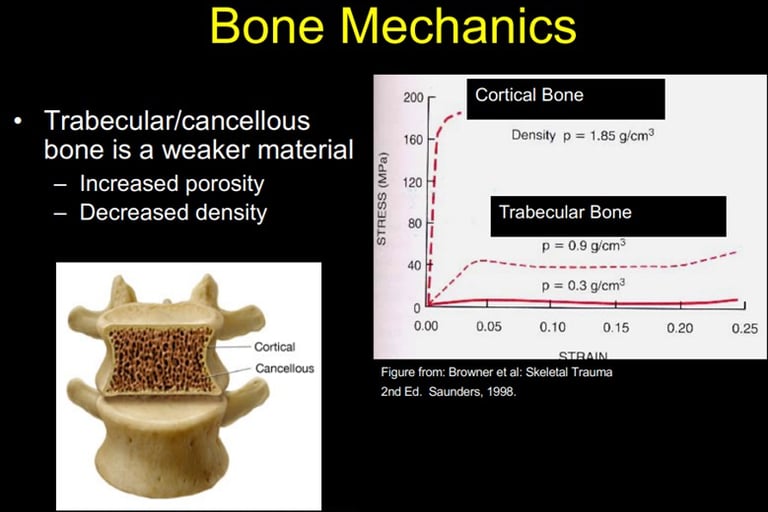
Furthermore, it is essential to understand when an engineering solution is necessary and when it isn’t in improving patient outcomes. Should bone damage not be too severe or life-threatening, in most cases, the body will heal on its own, as the slides below detail. It is essential to make this distinction because using an engineering solution instead of a biological one can ultimately worsen a patient's situation.
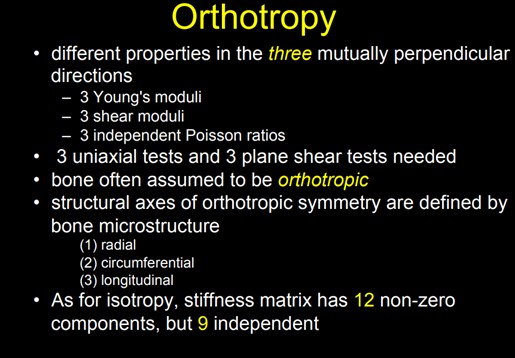
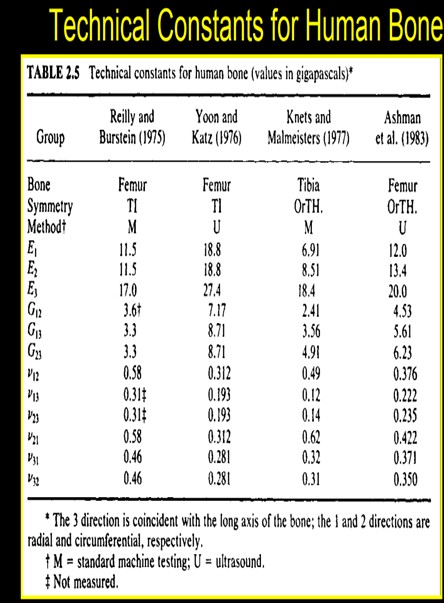
ANISO
ANISTROPIC PROPERTIES